Cross-Border Transfers

Why Regulation Matters and Will Matter Even More for Web3 in Emerging Markets

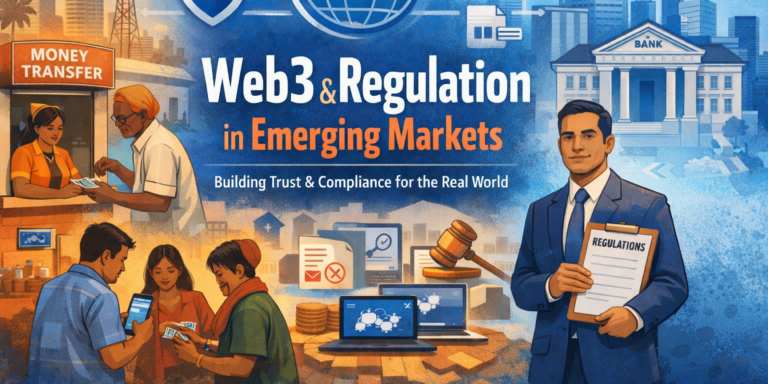
For years, Web3 has positioned itself as an alternative to regulation—especially in emerging markets where financial infrastructure is fragmented or incomplete. But as blockchain-based services move from experimentation to real-world deployment, that narrative no longer holds.
When Web3 touches remittances, savings, and everyday payments, the stakes change. Users are more vulnerable, trust is harder to rebuild, and failures scale fast. In these environments, regulation is not an obstacle to innovation—it is the condition that makes innovation sustainable.
This article explores why regulatory alignment is becoming central to deploying Web3 services in emerging markets, how compliance enables trust and scale, and why the next phase of Web3 will be built with regulators rather than around them. The future of financial inclusion will not be permissionless by accident—it will be compliant by design.

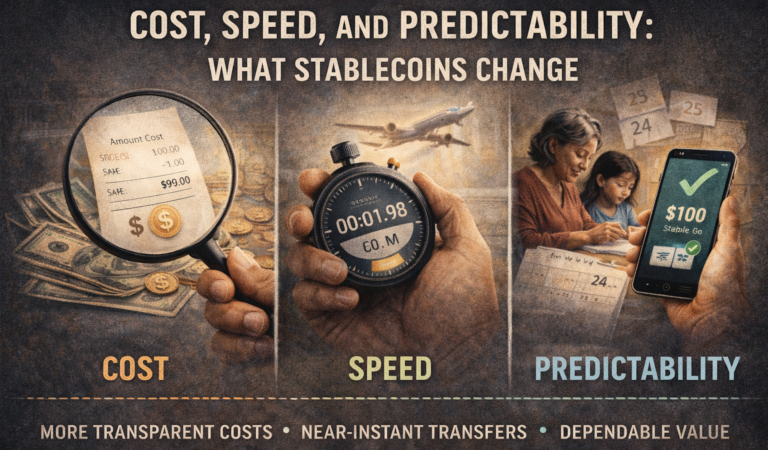
Cost, Speed, and Predictability: What Stablecoins Change

When money moves across borders, three things matter: how much arrives, how fast it arrives, and how predictable the process is.
Stablecoins influence all three. By settling value quickly and transparently, they reduce uncertainty for families who depend on remittances and need to know when and how much money will be available.

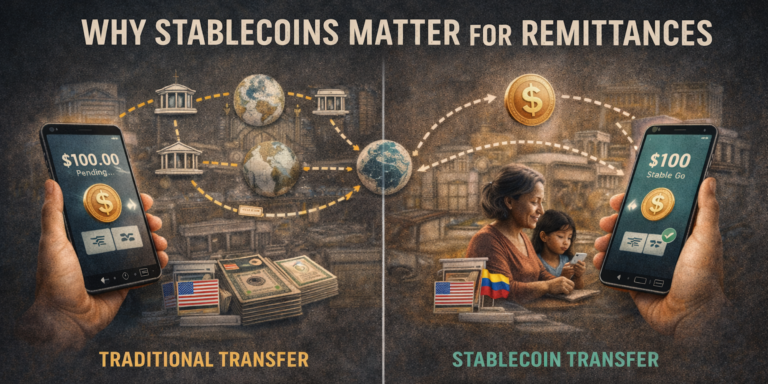
Why Stablecoins Matter for Remittances

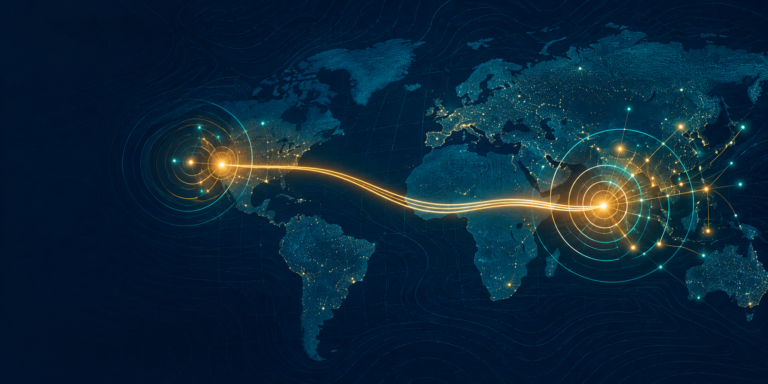
Sending money across borders is still slow and expensive because it relies on complex, layered systems built decades ago.
Stablecoins do not replace remittance services, but they simplify how value moves between them. By reducing technical steps and settlement time, they help lower hidden frictions that matter most to families sending money home.

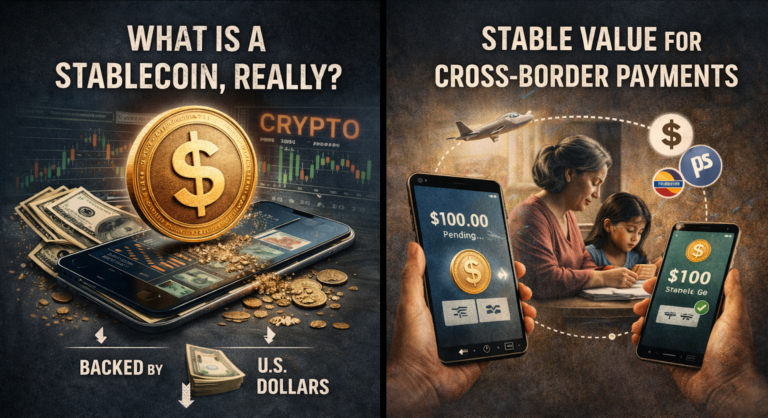
What Is a Stablecoin, Really?

Stablecoins are not about speculation or price swings. They are designed for predictability.
Linked to traditional currencies like the US dollar, stablecoins aim to keep a stable value so people know exactly how much money they are sending and receiving. In cross-border payments, that certainty matters more than growth.

$800 Billion That Moves Quietly

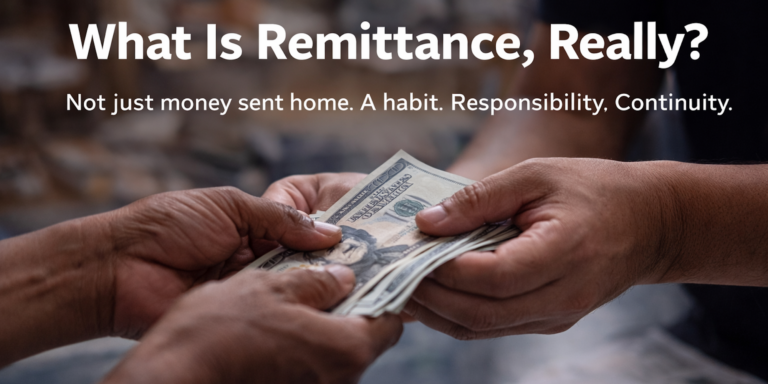
Every day, millions of people send money across borders. Not to invest or speculate, but simply to support their families. Taken together, these quiet, personal transfers now represent one of the largest and most resilient financial flows in the world.
Bigger than aid, more stable than investment, remittances are driven by responsibility, not strategy. Sent in small but regular amounts, they help families plan, absorb shocks, and sustain local economies. Often invisible at a global level, their impact is deeply felt by those who depend on them every day.